

Search
Enter keywords to search for products, blog posts, and more.
Enter keywords to search for products, blog posts, and more.
Home > Energy Efficiency in Storage Electric Water Heaters: What Distributors and Brands Need to Know
Energy efficiency is no longer a nice-to-have feature in the storage electric water heater market — it is a fundamental purchasing criterion for both consumers and commercial buyers, a regulatory requirement in an increasing number of markets, and a key differentiator that separates premium products from commodity offerings.
For brands, distributors, and project contractors sourcing electric water heaters from OEM manufacturers, understanding how energy efficiency works at a technical level — and knowing what manufacturing choices drive real efficiency improvements versus marketing claims — is essential for building a competitive product line.
This article provides a comprehensive, technically grounded overview of energy efficiency in storage electric water heaters, covering the science behind it, the design factors that matter most, and the practical sourcing implications for B2B buyers.
How Energy Efficiency Is Measured in Storage Electric Water Heaters
The energy efficiency of a storage electric water heater is primarily measured by its standby heat loss — the amount of energy the heater consumes to maintain water temperature when no hot water is being drawn.
This is a crucial distinction from instantaneous (tankless) water heaters, which only consume energy when water is flowing through them. Storage water heaters, by contrast, keep a tank of water heated to the set temperature at all times. The energy required to maintain this temperature against heat loss through the tank walls, plumbing connections, and other surfaces is the primary efficiency metric.
In China, storage electric water heaters are rated on an energy efficiency scale from Grade 1 (most efficient) to Grade 3 (minimum compliance). The specific testing methodology measures the 24-hour fixed heat loss — the total energy consumed to maintain the water at a set temperature over a 24-hour period under standardized conditions. Lower heat loss means higher efficiency.
In Europe, the ErP (Energy-related Products) directive applies similar principles, using energy label ratings from A+ to F. The United States uses the Energy Factor (EF) or more recently the Uniform Energy Factor (UEF) system, which accounts for both heating efficiency and standby losses.
Regardless of the specific rating system, the underlying physics is the same: reducing the rate at which heat escapes from the stored water is the key to improving energy efficiency. And this is primarily a function of insulation design — the single most important engineering decision in energy-efficient water heater manufacturing.
The Critical Role of Insulation Design
The insulation layer between the inner tank and the outer shell is the primary barrier against heat loss. The quality, thickness, and application method of this insulation directly determine the product's energy efficiency rating.
Most storage electric water heaters use polyurethane foam (PU foam) as the insulation material. PU foam is injected into the cavity between the inner tank and the outer shell, where it expands and cures to form a rigid, closed-cell foam structure with excellent thermal insulation properties. The thermal conductivity of PU foam is typically in the range of 0.018 to 0.025 W/m·K, making it one of the most effective commercially available insulation materials for this application.
The thickness of the insulation layer is the most direct lever for improving energy efficiency. Standard electric water heaters in the Chinese market typically use 15mm to 18mm insulation layers, which is sufficient to achieve Grade 3 energy efficiency. To achieve Grade 2 efficiency — the current sweet spot for mainstream market demand — manufacturers need to use 20mm or thicker insulation layers.
This may sound like a small difference, but the engineering implications are significant. Increasing insulation thickness from 15mm to 20mm means the outer shell must be larger (increasing material and shipping costs), the foam injection process must be recalibrated for the larger cavity volume, and the structural design must account for the additional foam weight and pressure. Not all manufacturers are willing to make these investments, which is why 20mm insulation remains a differentiator among electric water heater OEM manufacturers.
Leading OEM manufacturers who adopted 20mm insulation layers ahead of the market — achieving Grade 2 energy efficiency as an industry-first among OEM/ODM factories — demonstrate both technical capability and market awareness. For brands and distributors, sourcing products with this higher insulation standard means offering a genuinely more efficient product, lower electricity bills for your customers, and a stronger competitive position in markets where energy efficiency is a key purchasing factor.
Beyond Insulation: Other Design Factors That Affect Efficiency
While insulation is the dominant factor, several other design elements contribute to overall energy efficiency in storage electric water heaters.
Tank shape and volume ratio affect surface-area-to-volume efficiency. A tank with a larger volume stores more hot water per unit of surface area, meaning less proportional heat loss. This is one reason why very small water heaters (under 30 liters) tend to have worse efficiency ratings relative to their capacity — their surface-area-to-volume ratio is unfavorable.
Heating element design affects how efficiently electrical energy is converted to heat in the water. High-quality heating elements with large surface areas and even heat distribution convert nearly 100% of electrical input to thermal energy. Poorly designed elements can create localized hot spots that accelerate scale buildup, which in turn acts as an insulating layer on the element itself — increasing the energy required to heat the water and reducing effective efficiency over time.
Temperature control accuracy affects energy consumption in daily use. Water heaters with precise electronic thermostats can maintain the set temperature with minimal overshoot, reducing unnecessary heating cycles. Mechanical thermostats typically have a wider temperature dead band (the range between the turn-off and turn-on temperatures), which means the heater cycles more frequently and may heat water above the set point, wasting energy.
Inlet and outlet pipe insulation is often overlooked but contributes to measurable heat loss. The cold water inlet and hot water outlet are thermal bridges that conduct heat from the stored hot water to the external plumbing and ambient environment. Better-designed water heaters include insulation around these connection points, and some use heat trap fittings that prevent convective heat loss through the pipes.
Anti-scale technology indirectly affects energy efficiency over the product's lifespan. Scale buildup on the inner tank walls and heating elements reduces heat transfer efficiency, forcing the heater to consume more energy to achieve the same water temperature. Manufacturers who integrate magnetized anti-scale valves or other scale prevention technology at the water inlet help maintain the product's energy efficiency over years of use — not just at the time of initial installation.
Energy Efficiency as a Competitive Advantage for Your Brand
In competitive markets, energy efficiency can be a powerful brand differentiator — but only if you communicate it effectively and back it up with genuine product performance.
The most direct competitive advantage is in markets where energy efficiency labeling is mandatory and visible to consumers at the point of purchase. In China, the energy efficiency label is required on all storage electric water heaters and is displayed prominently on the product. A Grade 2 rating immediately distinguishes your product from the many Grade 3 products on the market, signaling higher quality and lower operating costs to cost-conscious consumers.
For property development and commercial project channels, energy efficiency is increasingly a specification requirement rather than a nice-to-have feature. Government housing projects, green-certified buildings, and commercial facilities often mandate minimum energy efficiency standards for installed appliances. Having a product line that meets or exceeds these standards positions your brand to win project tenders that lower-efficiency competitors cannot access.
In export markets, energy efficiency regulations are tightening globally. The European Union's ErP directive, for example, has been progressively raising minimum efficiency requirements for water heaters. Brands that source products with forward-looking efficiency standards will be better positioned to comply with evolving regulations without needing to redesign their product line every few years.
When sourcing from an OEM manufacturer, ask specifically about their products' energy efficiency ratings and how they achieve them. Request copies of their energy efficiency test reports from their state-registered laboratory, and compare the actual standby heat loss numbers across different manufacturers — not just the grade classification, which is a broad category. The actual heat loss number (measured in kWh per 24 hours) gives you a much more precise comparison of true product performance.
How to Verify Energy Efficiency Claims from OEM Manufacturers
In the B2B sourcing world, marketing claims and actual product performance do not always align. Here is how to verify that the energy efficiency numbers you are being quoted are real.
The gold standard is an energy efficiency test report from a nationally accredited laboratory. In China, this means a CNAS-accredited laboratory that follows the GB/T 20289 testing standard for storage electric water heaters. Your OEM manufacturer should be able to provide these reports for their existing product models, and should be able to commission new testing for custom OEM configurations.
Manufacturers who operate their own state-registered energy efficiency laboratory have a significant advantage here. They can conduct in-house testing during the product development phase, iterating on insulation thickness, heating element design, and thermostat calibration to optimize efficiency before the product enters formal certification testing at an external lab. This reduces the risk of certification failures and speeds up the time-to-market for new products.
During factory visits, ask to tour the energy efficiency testing laboratory. Look for calibrated test chambers, certified reference instruments, and documented testing procedures. Ask the laboratory manager about their testing frequency, their correlation with external lab results, and their process for handling discrepancies.
If you want additional assurance, you can commission independent third-party testing through an accredited laboratory such as CTG, CQC, or an international testing body like TÜV or SGS. The cost of third-party testing is modest relative to the risk of selling products that do not meet their rated efficiency — which can result in regulatory penalties, product recalls, and consumer class action complaints in some markets.
Future Trends in Water Heater Energy Efficiency
The water heater industry is evolving toward higher efficiency standards globally, and brands that anticipate these trends will be better positioned for long-term competitiveness.
In China, the government is expected to continue tightening energy efficiency requirements for storage electric water heaters, potentially raising the minimum standard to current Grade 2 levels. This means that products currently meeting Grade 3 may eventually become non-compliant, forcing a market-wide upgrade. Brands and distributors who are already sourcing Grade 2 products will have a smoother transition.
Smart connectivity is increasingly being integrated into water heaters, enabling features like scheduled heating, remote temperature adjustment, and energy consumption monitoring through smartphone apps. While these features do not directly improve the heater's thermal efficiency, they allow users to optimize their usage patterns — for example, heating water only during off-peak electricity hours, or lowering the set temperature when away from home for extended periods. Over time, these behavioral efficiencies can reduce actual energy consumption significantly.
Heat pump water heaters represent the most dramatic efficiency improvement, achieving COP (Coefficient of Performance) values of 2.0 to 4.0 — meaning they produce 2 to 4 times as much heat energy as they consume in electrical energy. While heat pump water heaters are a separate product category from storage electric water heaters, many electric water heater OEM manufacturers are expanding into this space as market demand grows. Partnering with a manufacturer who has both product lines gives you the flexibility to offer a complete hot water solution portfolio.
Solar-electric hybrid systems, which use solar thermal collectors as the primary heating source and electric storage tanks as the backup and booster, represent another growing segment. For projects in regions with abundant sunlight, these systems can reduce electricity consumption for water heating by 50 to 70 percent. An OEM manufacturer with experience in both electric water heaters and solar-compatible tank designs can help you develop products optimized for these hybrid configurations.
Making the Right Sourcing Decision for Energy-Efficient Water Heaters
Energy efficiency in storage electric water heaters is fundamentally a manufacturing quality issue. The same factory practices that produce efficient products — precision insulation application, quality PU foam sourcing, careful thermal bridge management, rigorous testing — are the same practices that produce reliable, long-lasting products overall.
When evaluating OEM manufacturers for energy-efficient water heater production, prioritize manufacturers who have demonstrably invested in insulation technology (look for 20mm or thicker PU foam layers), who operate state-registered energy efficiency testing laboratories, who can provide accredited test reports for their products, and who show a pattern of adopting efficiency improvements ahead of regulatory requirements rather than merely complying at minimum levels.
The marginal cost of achieving higher energy efficiency is small in the context of total product cost. The competitive advantage — in terms of market access, consumer preference, project specifications, and regulatory compliance — is substantial and growing. Investing in genuinely energy-efficient products is not just good engineering; it is good business strategy.
Regional Energy Efficiency Regulations: A Global Overview
Energy efficiency requirements for storage electric water heaters vary significantly across different markets, and understanding these regional differences is essential for brands and distributors with international ambitions.
In China, the current standard (GB 21519) classifies storage electric water heaters into three energy efficiency grades. Grade 1 is the most stringent, with the lowest allowable standby heat loss. Grade 2 represents the mainstream market standard for quality products. Grade 3 is the minimum compliance level. The Chinese government has historically tightened these standards every few years, and the expectation is that the minimum will continue to rise — meaning today's Grade 2 products may become the minimum standard in the future.
In the European Union, the ErP (Energy-related Products) Directive 2014/68/EU sets mandatory minimum energy efficiency requirements for water heaters sold in the EU market. Products must display an energy efficiency label (from A+ to F for conventional heaters, up to A+++ for solar and heat pump units). The directive also imposes eco-design requirements that set maximum allowable standby losses based on tank volume. For OEM exporters targeting the European market, ensuring products meet ErP requirements is essential — and working with a manufacturer who has experience with European certification standards significantly reduces the compliance burden.
In the United States, the Department of Energy (DOE) sets minimum energy efficiency standards through the Uniform Energy Factor (UEF) system, which replaced the older Energy Factor (EF) metric. The UEF accounts for both heating efficiency and standby heat loss, and is tested according to the DOE test procedure. Products must also meet ENERGY STAR specifications if they want to qualify for the voluntary energy efficiency label, which is a significant marketing advantage in the US market.
In the Middle East, several countries have implemented their own energy efficiency labeling schemes modeled on the European or Chinese systems. The UAE's ESMA (Emirates Authority for Standardization and Metrology) energy efficiency program, for example, requires energy efficiency labels on water heaters and sets minimum performance requirements.
For OEM buyers serving multiple markets, the practical implication is that you need a manufacturer who can produce products at different efficiency levels and provide the corresponding test documentation for each target market. A manufacturer with a state-registered energy efficiency laboratory can conduct pre-certification testing in-house, significantly reducing the time and cost of obtaining multiple market certifications.
Total Cost of Ownership: The Full Picture Beyond Purchase Price
When selling energy-efficient water heaters to end customers — whether consumers, property developers, or commercial facility managers — the most persuasive argument is often not the purchase price but the total cost of ownership over the product's lifespan.
A storage electric water heater's total cost of ownership consists of three components: the initial purchase price, the annual electricity cost for operation, and the maintenance and replacement costs over the product's lifespan.
The electricity cost component is directly determined by the product's energy efficiency. Consider a concrete example: a 60-liter storage electric water heater with Grade 3 energy efficiency might have a standby heat loss of 0.9 kWh per 24 hours, while a Grade 2 model might achieve 0.7 kWh per 24 hours. The difference is 0.2 kWh per day, or approximately 73 kWh per year. At an average electricity price of $0.10 per kWh, this represents an annual saving of approximately $7.30 per year. Over a 10-year product lifespan, the cumulative saving is approximately $73 — which may exceed the purchase price difference between the two efficiency grades.
For commercial applications where multiple water heaters are installed — such as a hotel with 100 units or an apartment building with 200 units — the aggregate savings become substantial. A property manager operating 200 Grade 2 water heaters instead of 200 Grade 3 units saves approximately $14,600 over 10 years in electricity costs alone. This is a compelling argument for specifying higher-efficiency products in project tenders.
Maintenance costs also correlate with efficiency-related design quality. Products with thicker insulation, better thermal management, and anti-scale protection tend to have longer service intervals and lower failure rates. The same engineering discipline that produces an efficient product also produces a durable one — which means lower warranty claims for you as a brand, and lower total cost for your customers.
When developing your sales materials and product positioning, include total cost of ownership calculations that demonstrate the long-term financial benefit of energy-efficient models. Providing concrete numbers — tailored to local electricity prices and typical usage patterns in your target market — is far more persuasive than abstract claims about "saving energy." Your OEM manufacturer should be able to provide the technical data (standby heat loss figures, energy consumption rates) that you need to build these calculations for your specific products.
Practical Recommendations for B2B Buyers
To summarize the key takeaways from this article, here are practical recommendations for brands, distributors, and project contractors sourcing energy-efficient storage electric water heaters.
When requesting quotes from OEM manufacturers, always specify the energy efficiency grade you require — do not leave this to the manufacturer's default, which may be the minimum compliance level. Request the actual standby heat loss figure (in kWh per 24 hours) for each model, not just the grade classification, so you can compare true performance across manufacturers.
Ask about insulation specifications in detail: foam material (PU foam is standard), foam density, insulation thickness (20mm is the benchmark for Grade 2 efficiency), and whether the manufacturer has adopted any advanced insulation techniques (such as vacuum insulation panels for ultra-premium products).
Request copies of energy efficiency test reports from an accredited laboratory. Verify that the test reports match the specific model and configuration you are sourcing — not just a similar model from the manufacturer's range.
Visit the manufacturer's energy efficiency testing laboratory if possible. The presence of a state-registered lab with proper testing infrastructure (calibrated instruments, controlled-environment test chambers, documented procedures) is one of the strongest indicators of a manufacturer who takes energy efficiency seriously.
Consider sourcing from manufacturers who have a track record of adopting efficiency improvements proactively — for example, manufacturers who were among the first in the OEM/ODM sector to implement 20mm insulation layers or achieve Grade 2 ratings. This forward-thinking approach suggests a manufacturer who will continue to innovate and help you stay ahead of evolving market standards.
Finally, factor energy efficiency into your brand positioning and pricing strategy. Energy-efficient products deserve premium pricing that reflects their genuine value proposition. Customers who understand the total cost of ownership will pay more for a product that saves them money over its lifespan — and clear, data-driven communication of this value is one of the most effective tools in your marketing arsenal.
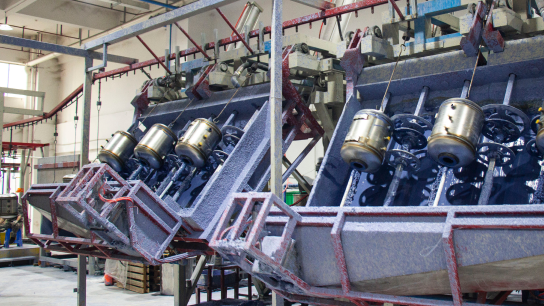
If you are a brand owner, distributor, or project contractor sourcing storage electric water heaters, there is one compo...
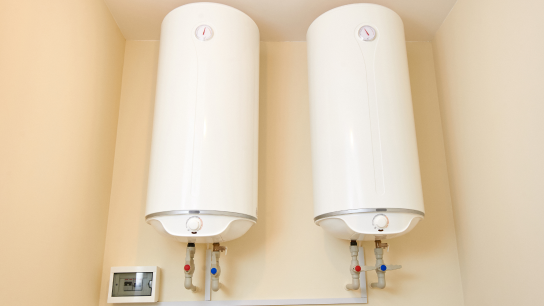
For brands, distributors, and project contractors looking to source electric water heaters, China remains the world's mo...

If you are a kitchen appliance brand, distributor, or project contractor, one of the most important product line decisio...